

Cycle menu for an industrial cafeteria: a month with no repeats
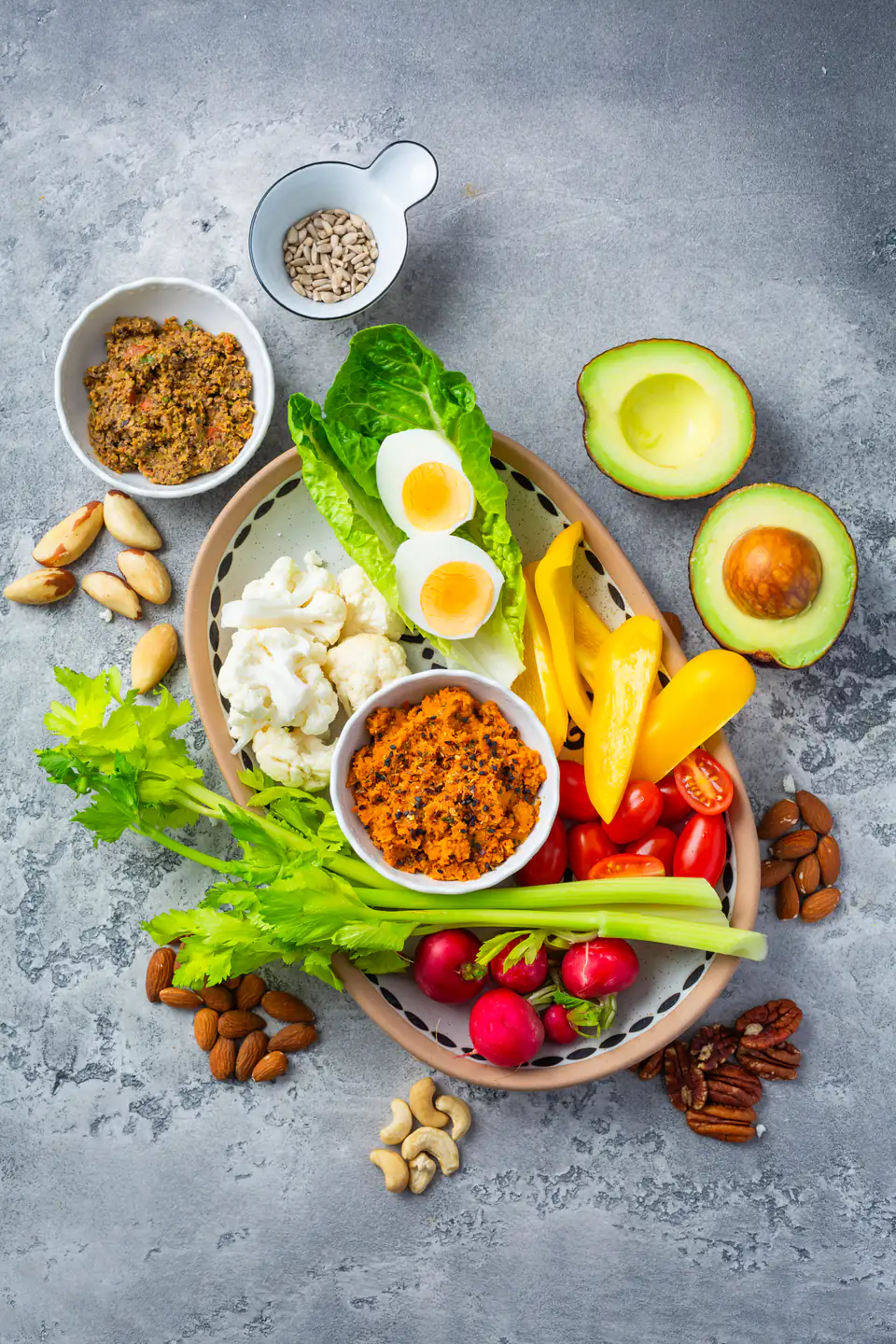
If people at your plant already know that Tuesday means picadillo (ground beef hash) and Thursday means milanesa (breaded cutlet), the cafeteria has stopped being a benefit and become routine. A cycle menu for an industrial cafeteria fixes that: a full cycle of several weeks is planned at once, with each dish assigned to its day, and nothing returns to the tray until the cycle ends. Four weeks of Monday to Friday means twenty different main dishes.
Here is how one is built, what to check in the one your provider hands you, and a complete example to compare against.
What a cycle menu is and what it is not
It is a menu plan designed for a fixed period that starts over when it ends. Each day has its courses assigned: soup, main dish, side, beverage, and dessert.
No standard says how many weeks it must last. Each operator sets its cycle according to the plant, the shifts, and the kitchen. What does set a well-made cycle apart is that it is planned whole, in one pass, and not week by week according to what was left in the storeroom.
For you, as the client, it has three practical advantages:
- You can review the menu before it is served and ask for changes in time.
- You can compare what was planned against what was served, day by day.
- The provider buys ahead, which brings order to the kitchen and to the cost.
Why repetition drags satisfaction down
Your people eat in the same place five or six days a week, all year. They do not get to pick a restaurant. The Ley Federal del Trabajo (Federal Labor Law) sets a minimum break of half an hour in a continuous workday (Article 63), and in that time almost no one can leave the plant. The cafeteria is the only real option, so any repetition gets noticed fast.
The signs are usually these:
- Plate waste goes up for certain dishes.
- Participation drops: more people bring lunch from home or eat from the vending machine.
- Complaints reach human resources, almost always with the phrase "they always serve the same thing."
Repetition also wears a disguise. Some menus have twenty different names and four flavors: chicken in red sauce on Monday, chicken in tomato sauce on Wednesday, and chicken a la mexicana on Friday. The same happens when the side is rice and beans every day, or when everything arrives stewed and nothing grilled or baked.
Variety is also in the law. The Ley de Ayuda Alimentaria para los Trabajadores (Workers' Food Assistance Law) defines a proper diet as complete, balanced, healthy, sufficient, varied, and adequate (Articles 2 and 5). A monotonous menu fails one of those six points even if it meets the other five.
How to build a cycle menu, step by step
1. Define the courses
Decide the structure of each meal first: soup or cream soup, main dish, side, vegetable or salad, tortillas or bread, agua fresca (fruit-flavored water), and fruit or dessert. Decide also how many main dish options there will be per day. With two options, the cycle needs twice as many dishes and more care to keep them from overlapping.
2. Rotate the proteins
This is the rule people notice most. A protein should not repeat two days in a row or always land on the same day of the week.
The Guías Alimentarias 2023 (Mexico's 2023 dietary guidelines) from the Secretaría de Salud (Ministry of Health) recommend less beef and processed meat, and more beans, lentils, eggs, chicken, or fish. Translated into a cycle: beef in moderation, cold cuts and sausages out of the main dish, and at least one day a week with legumes, eggs, or cheese in the leading role.
3. Rotate the cooking method and the side
Changing the protein is not enough if the technique stays the same. Alternate red sauce, green sauce, mole, adobo, griddle, oven, and foil-baked. Do the same with the sides: white, red, and green rice; pot beans, refried beans, and charro beans; pasta; mashed potatoes; steamed vegetables; nopales.
4. Build the plate with the Plato del Bien Comer
The Plato del Bien Comer (Mexico's official healthy eating plate) in the 2023 dietary guidelines gives criteria that are easy to verify on the serving line:
- Fresh vegetables and fruit at every meal, in season when possible.
- Beans, lentils, or fava beans every day.
- Whole grains, such as corn tortillas, oats, or rice.
- Plain water with the meal, instead of sugary drinks.
- Fewer ultra-processed foods: cold cuts and sausages, sweet bread, cookies.
5. Cost the full cycle, not the day
A fish fillet costs more than potato patties. The menu balances out by week and by cycle: expensive dishes are offset by economical ones, and what gets reviewed is the average cost per person. If you want to understand what moves that number, we explain it in how much an industrial cafeteria costs.
6. Adjust for the season
Seasonal vegetables and fruit arrive in better shape and at a better price. Weather counts too: broths and pozole in winter, salads and aguas frescas in the hot months. Leave room for the dates your people look forward to: Lent, September 15, Day of the Dead, year-end.
7. Check the kitchen's workload
Two labor-intensive dishes on the same day overload the team and slow the line. The cycle should spread out the long preparations and account for the real capacity of ovens, steam kettles, and griddles, especially with more than one shift.
8. Measure and correct
A cycle is never final. Review plate waste by dish, the satisfaction survey, and participation by shift. Whatever does not work gets replaced in the next round. These numbers are part of the KPIs worth requesting from your provider every month.
Example of a 4-week cycle menu
This example is illustrative. We built it for this article with Mexican dishes that are common in a plant cafeteria. It is not the menu of GAC or of any particular company. It shows only the main dish of the midday meal, Monday to Friday.
| Week | Monday | Tuesday | Wednesday | Thursday | Friday |
|---|---|---|---|---|---|
| 1 | Chicken in mole poblano with red rice | Beef meatballs in chipotle sauce with white rice | Tortitas de papa (potato and cheese patties) in tomato broth with nopales | Pork in salsa verde with purslane and pot beans | Fish a la veracruzana (tomato, olive, and caper sauce) with white rice |
| 2 | Tinga de pollo (shredded chicken in chipotle-tomato sauce) with tostadas and refried beans | Picadillo (ground beef hash) with potato and carrot | Enchiladas potosinas with beans and salad | Cochinita pibil (achiote-marinated pulled pork) with black beans | Breaded fish with cabbage slaw |
| 3 | Chicken in green pipián (pumpkin seed sauce) with white rice | Bistec a la mexicana (beef with tomato, onion, and chile) with charro beans | Cheese chiles rellenos in tomato broth with red rice | Asado de boda (pork in red chile sauce) with rice and beans | Fish al mojo de ajo (garlic sauce) with steamed vegetables |
| 4 | Chicken fajitas with bell pepper and onion | Salpicón de res (shredded beef salad) with tostadas | Stewed chickpeas with spinach and hard-boiled egg | Pork chop in adobo with mashed potatoes | Fish in guajillo chile sauce with green rice |
How to read it:
- There are twenty different main dishes. None repeats in the month.
- Each protein appears once a week: chicken, beef, pork, fish, and one meatless day.
- Sauces and techniques alternate through the week.
- Each day is completed with soup or cream soup, vegetable or salad, corn tortillas, agua fresca, and fruit. Those courses rotate too.
A real cycle adds the second main dish option, breakfasts, dinners, and what is served at night. The night shift needs its own cycle, not what was left over from the afternoon. We cover that in what to eat on the third shift.
Checklist for reviewing your provider's menu
Ask for the full cycle in writing and run it through this list:
- The main dishes are truly different, not the same stew under another name.
- No protein repeats two days in a row.
- At least one day a week has legumes, eggs, or cheese as the main dish.
- Every day includes a vegetable or salad, in addition to the side.
- Sides, soups, and beverages rotate too.
- Cold cuts, sausages, and fried foods appear rarely.
- Plain water is available at every meal.
- The menu is posted in advance, where employees can see it.
- Last-minute changes are announced and recorded.
- Each shift has its own planned menu.
One more point: ask what happens with leftovers. If anything is reused, NOM-251-SSA1-2009 (Mexico's mandatory food hygiene standard) sets the limits: reheated food must reach at least 74 °C, and thawed food is not refrozen (sections 7.3.2 and 7.4.1). A well-planned menu reduces leftovers at the source, because the kitchen cooks to a forecast and not by guesswork.
GAC's menu
Grupo Alimenticio del Carmen runs industrial cafeterias with a highly varied menu in which no dish repeats within the month. That is its service commitment and the reason for this article.
Its mission rests on three foundations: hygiene, nutrition, and flavor. You can see how that translates into daily operations in our services.
Frequently asked questions
How many weeks should a cycle menu last?
No standard sets it. It depends on how many days a week meals are served, how many options there are per day, and the kitchen's capacity. What matters is that the cycle is long enough that employees do not memorize it.
Does a cycle menu mean the menu never changes?
No. The cycle is the base, and each round is adjusted according to plate waste, the survey, and the season. A cycle that has gone a year unchanged no longer does its job.
Does a varied menu cost more?
Not necessarily. Cost balances out within the cycle: days with expensive dishes are offset by economical days. Planning ahead also allows better purchasing and less waste.
Can it be adapted for people with diabetes or high blood pressure?
The menu can include a light option, plain water, and vegetables every day, which helps everyone who eats there. Individual guidance is up to each person's doctor or dietitian, not the cafeteria.
How do I know the provider is following the menu it promised?
Ask for the menu posted in advance and a monthly record of what was served against what was planned, with the changes and their cause. If the record does not exist, the cycle is only a sales document.
Request a sample menu for your plant
Tell us how many people you feed and how many shifts you run, and we will prepare a proposal with a month of menus for you to review with your team. Ask for the sample month.